
What Are the Major Development Trends of Future Liquid Cooled Load Banks?
Time:2026-03-03
Driven by the surging demand for AI computing power, the wide adoption of high-density data centers, and carbon neutrality goals, traditional air-cooled load banks can no longer meet the requirements for high-power, high-precision, and low-carbon testing. Liquid cooled load banks stand out as the mainstream direction of next-generation testing and commissioning equipment, thanks to superior heat dissipation, low noise, compact footprint, and strong compatibility. Going forward, liquid cooled load banks will evolve around five core trends: higher power density, intelligent integration, green low-carbon operation, standardization & scenario customization, and enhanced safety & reliability, fully supporting commissioning for supercomputing, AI data centers, energy storage plants, and high-end power equipment.
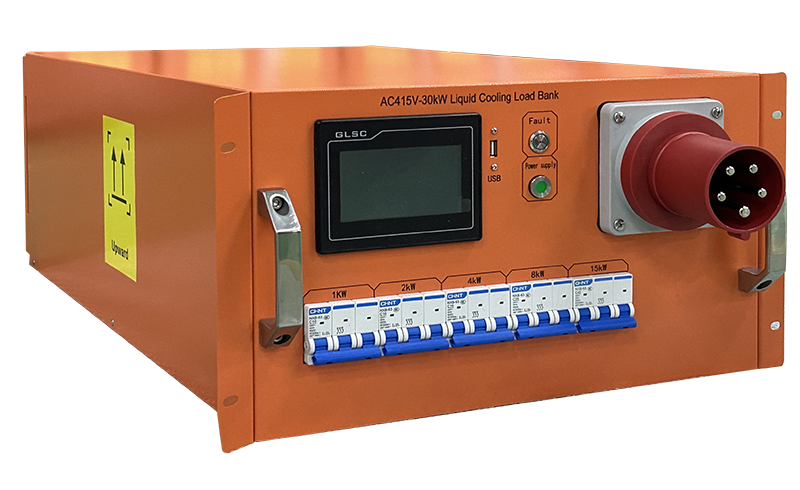
30kW liquid cooled load bank
30kW liquid cooled load bank
1. Rising Power Density for Ultra-High Computing Scenarios
Rack power will quickly exceed 100kW and 200kW, moving toward the megawatt level to match high-power loads in AI clusters and supercomputing centers. Liquid cooling delivers far higher heat dissipation efficiency than air cooling, enabling greater testing capacity in a smaller footprint and saving critical data center space. It supports cold plate, immersion, and hybrid cooling architectures, compatible with next-generation chip and server thermal validation, making it an essential testing tool before high-density computing facilities go live.
2. Intelligent Integration and Digital O&M as Standard Features
Equipped with edge computing, IoT, and AI algorithms for fully closed-loop regulation of load power, flow rate, temperature, and pressure. It supports remote monitoring, fault diagnosis, cloud-based data management, and automatic test report generation, greatly reducing manual intervention. Modular and containerized designs improve deployment efficiency and allow rapid capacity expansion, covering full-scenario testing from laboratories to large power stations.
3. Large-Scale Application of Green Low-Carbon Technologies and Heat Recovery
Aimed at low energy consumption, low water consumption, and low noise, it optimizes flow path design and heat exchange materials to improve energy efficiency. It supports waste heat recovery, redirecting test heat for heating, process heating, or power generation, helping data centers shift from energy consumers to energy nodes. Compatible with indirect evaporative cooling, dry coolers, and other free cooling sources, it further lowers PUE and WUE to support carbon neutrality.
4. Accelerated Standardization and Scenario-Specific Customization
Industry standards will be rapidly improved, with unified interfaces, communication protocols, and safety specifications enabling cross-brand compatibility and interconnection. Dedicated models will be launched for AI data centers, energy storage plants, nuclear power, rail transit, military, and other fields, balancing generality and specialization. Rental and service models will become widespread, reducing upfront investment and improving asset utilization.
5. High Safety and High Reliability as Basic Requirements
Using deionized water, eco-friendly dielectric fluids, and other coolants, with strengthened anti-leakage, anti-corrosion, and anti-condensation design. Multi-level protection against overvoltage, overcurrent, over-temperature, and abnormal flow rate safeguards both the test system and the equipment under test. Full-process redundant design supports 7×24 hours of continuous full-load operation, meeting long-cycle testing in harsh industrial environments.
News Recommendation
-
 2026-08-21
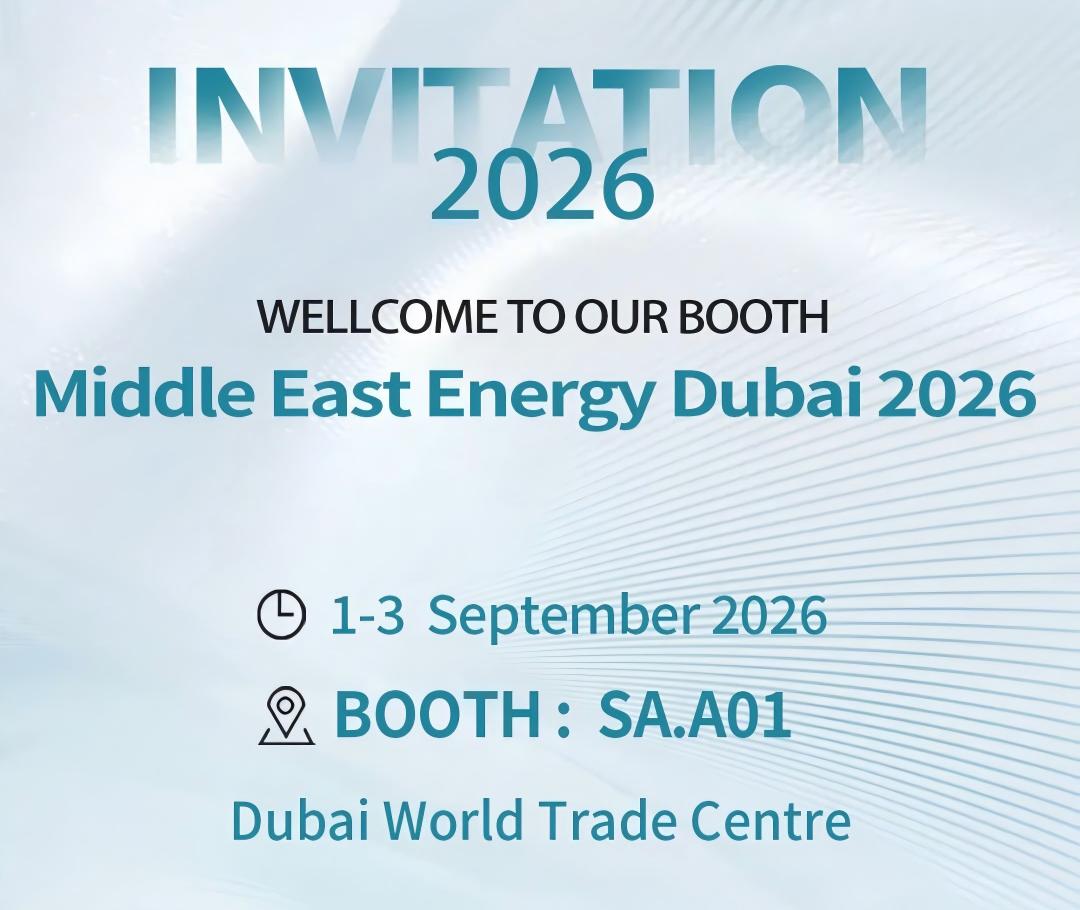
TriumphLoad to Showcase Advanced Load Banks & Dummy Load Solutions at Middle East Energy 2026
-
 2026-05-28
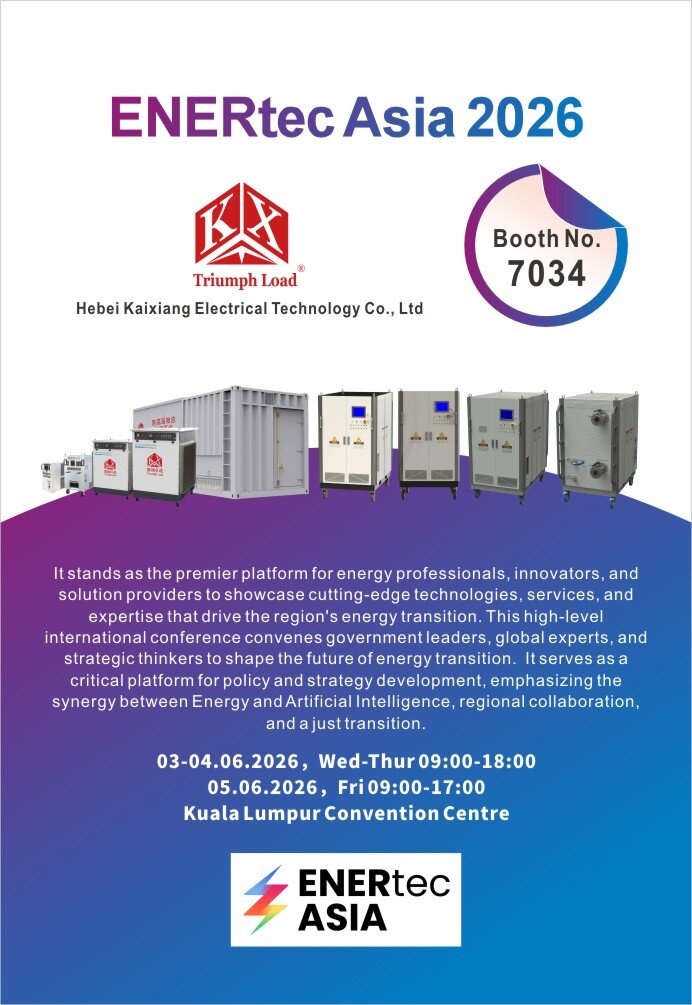
TRIUMPH LOAD EXHIBITING AT ENERTEC ASIA 2026
-
 2024-09-11
TRIUMPH LOAD EXHIBITING AT Enlit Europe 2024 -BOOTH 7.H08
-
 2023-04-21
TRIUMPH LOAD EXHIBITING AT DATA CENTER WORLD GERMANY 2023-BOOTH F909
-
 2023-04-06
TRIUMPH LOAD EXHIBITING AT ELECTRIC POWER TECH KOREA 2023 – Booth G109
