
The Future Development of Air‑Cooled Load Bank
Time:2026-08-11
With advantages including simple structure, convenient deployment, zero liquid‑leakage risk and controllable maintenance costs, air‑cooled load bank has long served as mainstream testing equipment for power source testing, generator set verification and infrastructure acceptance. It is widely adopted in telecommunications, data centers, new‑energy and military industries. Amid rising computing density, carbon‑neutrality policies and rapid popularization of liquid‑cooling technology, air‑cooled load bank will not be simply replaced. Instead, it will follow a development path featuring technical iteration, scenario segmentation and air‑liquid collaboration.
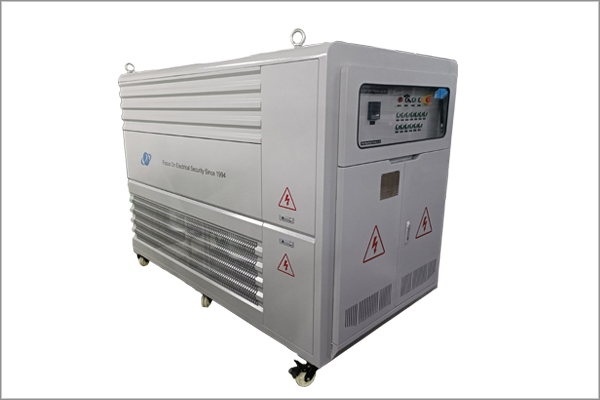
1000kW Air-cooled Load Bank
1000kW Air-cooled Load Bank
Air‑cooled load bank holds irreplaceable practical value. For medium‑and‑low‑power testing, mobile on‑site inspection and outdoor emergency tests, air‑cooled load bank requires no complex pipeline support. Featuring flexible assembly and low upfront investment, it fits massive existing‑stock businesses such as factory inspection of generator sets and annual inspection of standby power supplies. Nevertheless, inherent limitations remain. Its heat‑dissipation performance is significantly affected by altitude and ambient temperature, resulting in power derating under high‑altitude and high‑temperature conditions. High‑power operation brings considerable noise, and physical limits on power density prevent it from meeting full‑condition testing requirements for ultra‑high‑density computing facilities.
Future technical upgrades of air‑cooled load bank will focus on refined optimization rather than fundamental breakthroughs. Air duct simulation, variable‑frequency fans, modular resistor units and noise‑reduction structural designs will improve heat‑dissipation efficiency and environmental adaptability and mitigate derating risks in high‑temperature and high‑altitude environments. Digital and intelligent transformation will be critical. Integrated remote monitoring, automatic loading, fault early‑warning and complete data‑logging functions will boost testing automation and reduce on‑site manual operations.
Market patterns will show clear differentiation. Ultra‑high‑power and high‑density testing scenarios will increasingly adopt liquid‑cooled or hybrid air‑liquid load bank solutions. Air‑cooled load bank will focus on medium‑and‑low‑power, portable and high‑reliability niche markets, targeting existing‑stock infrastructure testing for energy‑storage systems, diesel generators and conventional data centers to consolidate market share. Hybrid air‑liquid testing systems will gain industry attention. Integrated platforms supporting both air‑cooled and liquid‑cooled load banks verify overall stability of mixed‑cooling infrastructure and satisfy testing demands during facility transition periods.
Furthermore, green development drives product upgrading. Greater attention will be paid to energy consumption and material recyclability. Combined with energy‑feedback technology in partial scenarios, air‑cooled load bank reduces power waste during testing. To sum up, air‑cooled load bank will not disappear due to liquid‑cooling advancement. Returning to suitable application scenarios via intelligent and modular upgrading, it complements liquid‑cooling technology and keeps playing an essential role in power‑testing systems.
News Recommendation
-
 2026-08-21
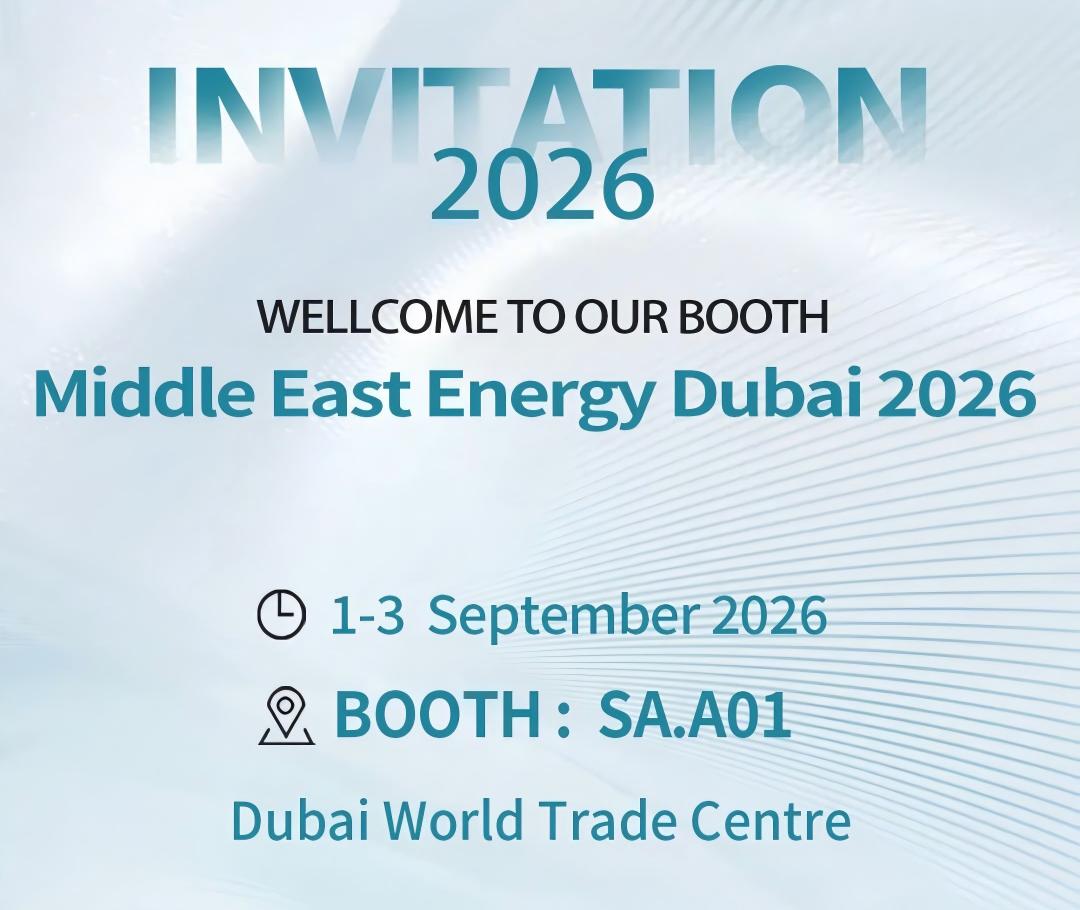
TriumphLoad to Showcase Advanced Load Banks & Dummy Load Solutions at Middle East Energy 2026
-
 2026-05-28
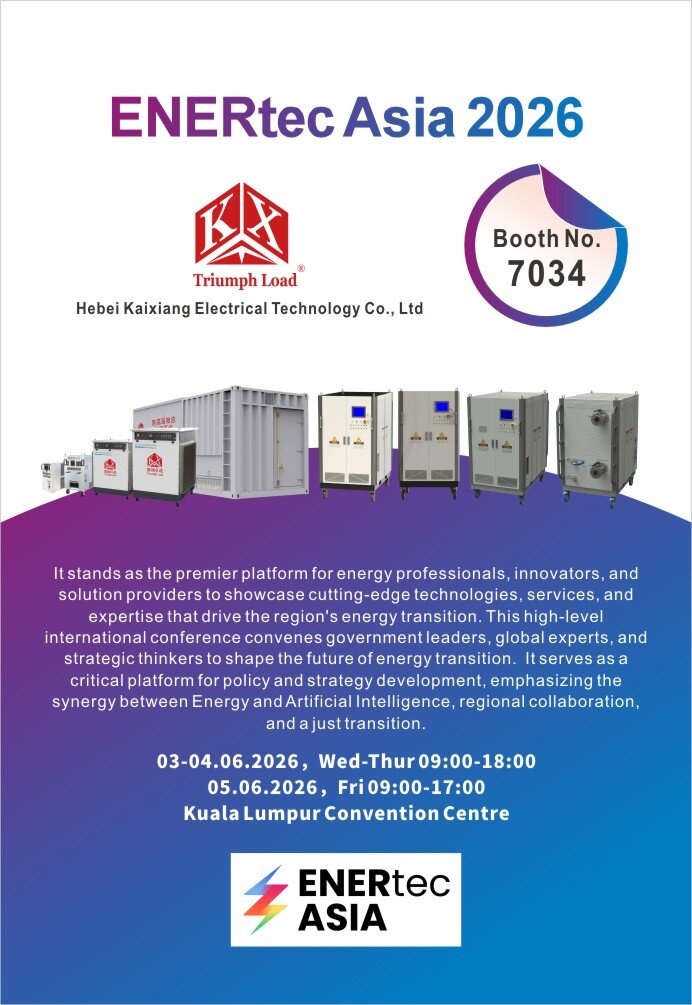
TRIUMPH LOAD EXHIBITING AT ENERTEC ASIA 2026
-
 2024-09-11
TRIUMPH LOAD EXHIBITING AT Enlit Europe 2024 -BOOTH 7.H08
-
 2023-04-21
TRIUMPH LOAD EXHIBITING AT DATA CENTER WORLD GERMANY 2023-BOOTH F909
-
 2023-04-06
TRIUMPH LOAD EXHIBITING AT ELECTRIC POWER TECH KOREA 2023 – Booth G109
