
What Are the Main Purposes of Safety Testing for Emergency Power Supplies?
Time:2026-01-06
As core equipment for responding to sudden power outages, emergency power supplies are widely used in critical scenarios such as hospitals, data centers, and high-rise buildings. Their safety testing is a key link to ensure stable equipment operation. The primary purpose of safety testing is to verify that equipment performance meets standards. By simulating working conditions such as power outages and overloads, it tests the emergency power supply’s switch response speed, continuous power supply duration, and output voltage stability, ensuring it can seamlessly take over from the mains power in emergencies.
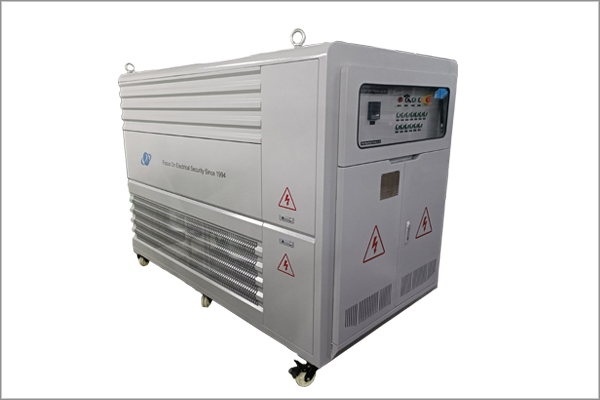
1000kW Load Bank
1000kW Load Bank
Secondly, safety testing aims to identify potential safety hazards. Most emergency power supplies are equipped with battery packs. During testing, it is crucial to check for battery faults such as leakage and bulging, while verifying circuit insulation and heat dissipation system functionality, to prevent fire, electric shock, and other safety accidents caused by equipment aging or short circuits.
Furthermore, safety testing is a necessary measure to meet compliance requirements. All types of emergency power supplies must adhere to national electrical safety standards. Regular testing and issuing reports are not only prerequisites for passing fire inspections and equipment annual checks but also provide data support for equipment maintenance and upgrades.
Finally, safety testing can extend the service life of equipment. Timely detection of component wear through testing, and implementation of targeted maintenance measures, reduces the failure rate, thereby improving the long-term operational reliability of emergency power supplies and building a solid line of defense for the safe and stable operation of various scenarios.
News Recommendation
-
 2026-08-21
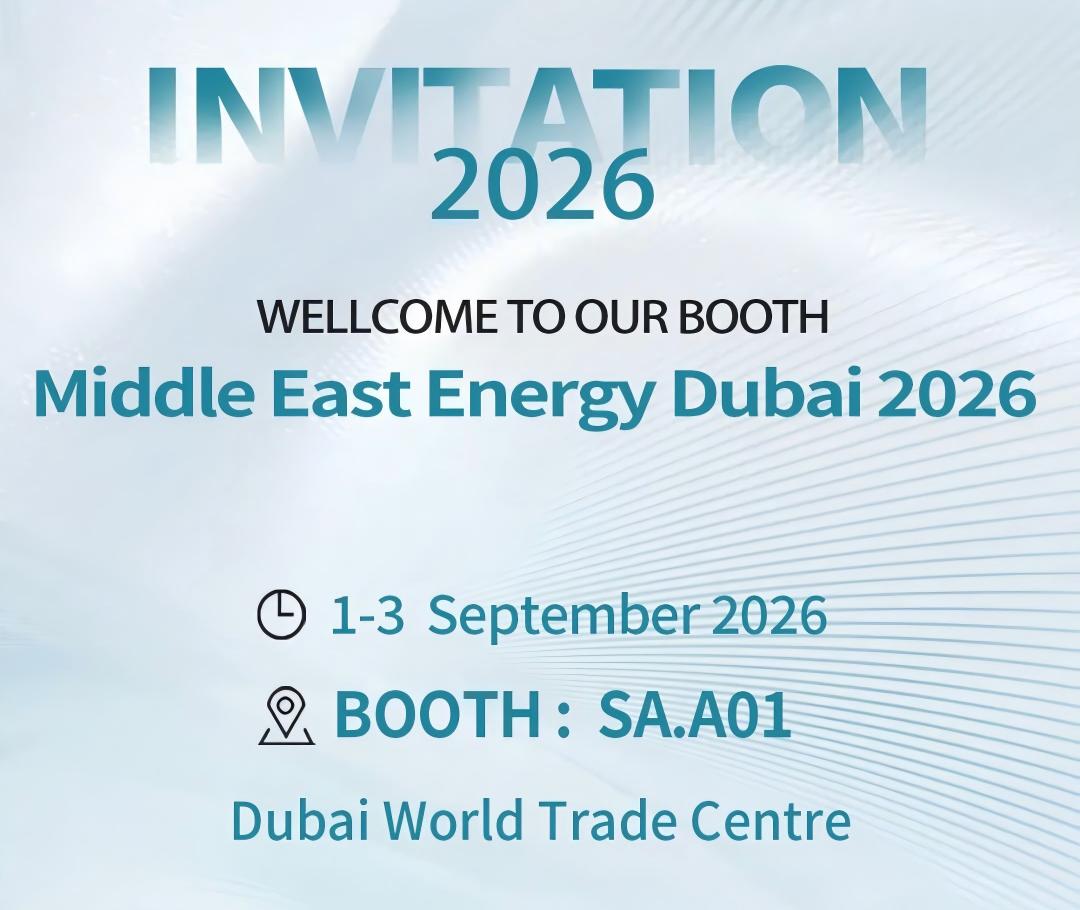
TriumphLoad to Showcase Advanced Load Banks & Dummy Load Solutions at Middle East Energy 2026
-
 2026-05-28
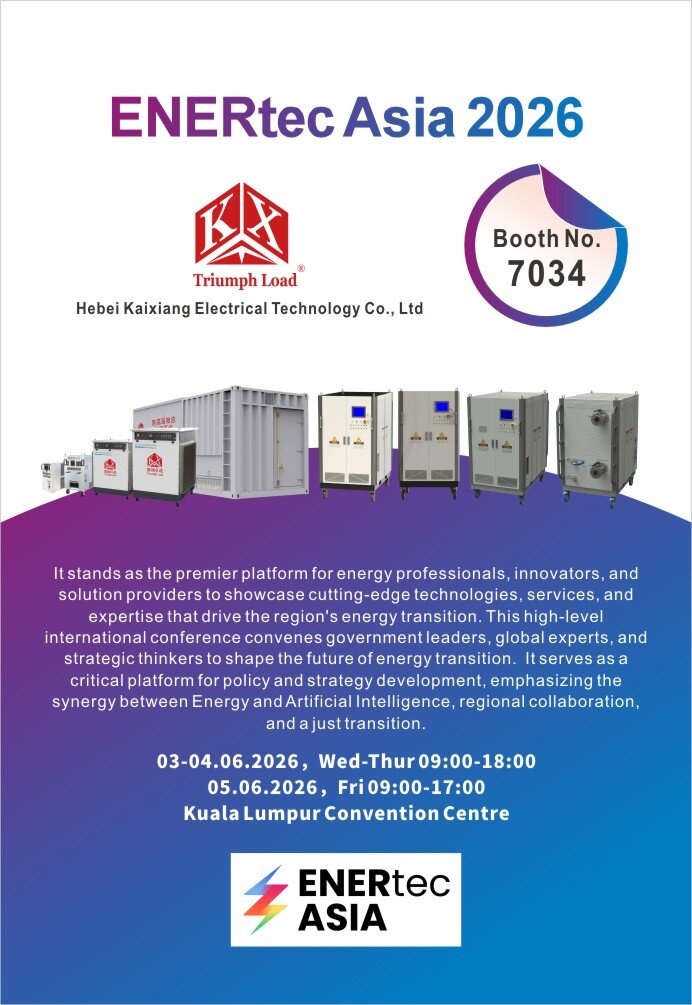
TRIUMPH LOAD EXHIBITING AT ENERTEC ASIA 2026
-
 2024-09-11
TRIUMPH LOAD EXHIBITING AT Enlit Europe 2024 -BOOTH 7.H08
-
 2023-04-21
TRIUMPH LOAD EXHIBITING AT DATA CENTER WORLD GERMANY 2023-BOOTH F909
-
 2023-04-06
TRIUMPH LOAD EXHIBITING AT ELECTRIC POWER TECH KOREA 2023 – Booth G109
