
Load Bank: A Critical Component for Power System Testing and Performance Assurance
In key fields such as power production, energy operation and maintenance, data centers, and new energy industries, the stability, load capacity and safety performance of power equipment directly determine the operating quality of the entire power system. As a professional controllable simulated load testing device, the load bank is a core supporting device for factory inspection, engineering acceptance, daily operation and maintenance, and fault troubleshooting of various power supply equipment. Known as the "precision physical examination instrument" of power systems, it safeguards the safe and stable operation of global power equipment.
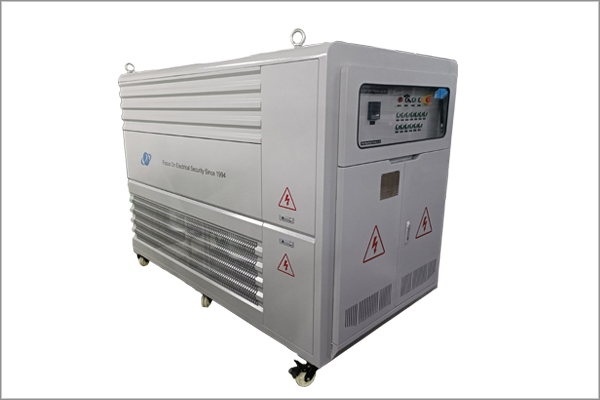
1000kW Load Bank
Also known as dummy load or load bank, the load bank operates on the core principle of controllable electric energy-to-thermal energy conversion to accurately simulate power loads under real working conditions. According to testing requirements, the device can flexibly adjust core parameters such as power, impedance, voltage and current, and replicate various complex power consumption scenarios including full load, no load, sudden load increase and decrease, and three-phase unbalance. It comprehensively tests the actual performance of power equipment such as generator sets, UPS uninterruptible power supplies, battery packs, charging piles, photovoltaic inverters and ground power units, accurately identifies potential equipment hidden dangers, and solves industry pain points such as carbon deposition, efficiency attenuation and performance aging caused by long-term no-load and light-load operation of power supplies.
Based on structural and functional differences, load banks are divided into four major categories: resistive, inductive, capacitive and composite. Meanwhile, they can be classified into high-voltage and low-voltage load banks by voltage level, and AC and DC load banks by power supply type, fully adapting to testing needs of different industries. Resistive load banks focus on accurate energy consumption simulation, suitable for conventional testing of most generator sets and UPS systems. Inductive and capacitive load banks target power factor detection and reactive load testing of power equipment. Composite load banks integrate multiple functions, meeting the comprehensive power testing requirements under complex working conditions and adapting to the acceptance of high-end precision equipment and large-scale power systems.
Compared with traditional real load testing methods, load banks have irreplaceable core advantages. First, precise and controllable parameters: refined adjustment of load gears enables stable and accurate quantitative testing with minimal data errors, and test results comply with industry standards. Second, safe and stable operation: the device is equipped with multiple protection mechanisms against overheating, overcurrent, overload and short circuit, ensuring no potential safety hazards during testing and supporting long-term continuous operation. Third,wide application scenarios: it covers full-scenario testing of high and low voltage, AC and DC, and high and low power, meeting the whole-process needs including factory aging testing, project completion acceptance, periodic operation and maintenance testing, and fault tracing. Fourth, convenient and efficient operation: equipped with intelligent digital display, one-key operation and automatic test data recording, it can generate standardized test reports, greatly improving the efficiency of power operation, maintenance and testing.
At present, load banks have been widely applied in core scenarios of multiple industries and become indispensable key equipment for power operation and maintenance. In the power industry, they are used for performance calibration and regular maintenance of generator sets in thermal power plants, hydropower stations and substations, avoiding problems such as insufficient fuel combustion, carbon deposition and power attenuation caused by long-term light-load operation of units, and ensuring long-term stable output of power generation equipment. In the data center and communication industries, they conduct regular load tests on standby diesel generators and UPS power supplies to verify the load capacity and switching stability of emergency power supply systems, building a solid power safety line for computing infrastructure. In the new energy field, they adapt to the factory inspection and R&D testing of electric vehicle charging piles, photovoltaic and wind power equipment, helping upgrade the performance of new energy power equipment. Meanwhile, in scenarios such as shipyards, offshore platforms, oil fields, hospitals, nuclear power plants and large industrial and mining enterprises, load banks play a core role in the acceptance, operation and maintenance, and annual inspection of power equipment, fully guaranteeing the reliability of emergency standby power supplies and main power systems.
With the continuous upgrading of intelligent and refined operation and maintenance trends in power systems, the testing standards for various power supply equipment continue to improve. High-performance, intelligent and modular load banks have become important supporting facilities for the high-quality development of the power industry. In the future, load banks will continue to iterate and upgrade, providing solid support for the safe, stable and efficient operation of global power systems with more accurate testing capabilities, more comprehensive adaptability and smarter operation and maintenance modes.
News Recommendation
-
 2026-08-21
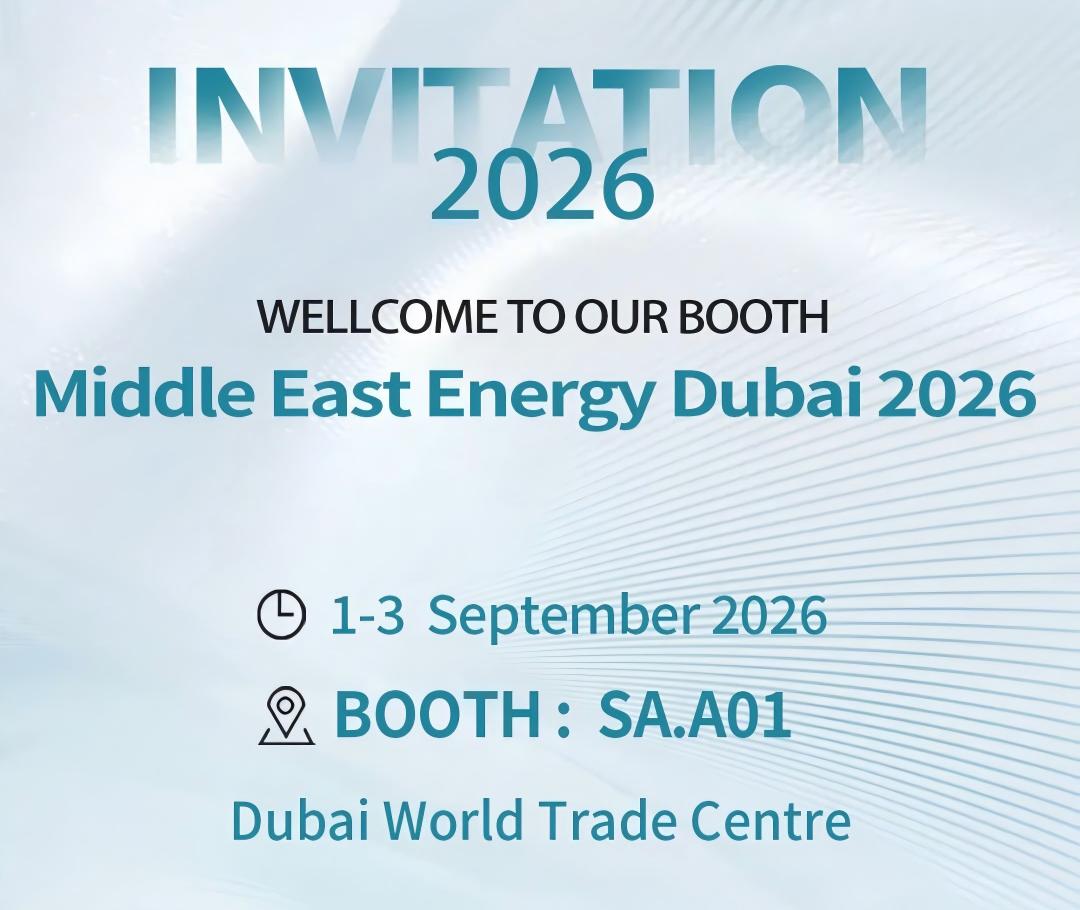
TriumphLoad to Showcase Advanced Load Banks & Dummy Load Solutions at Middle East Energy 2026
-
 2026-05-28
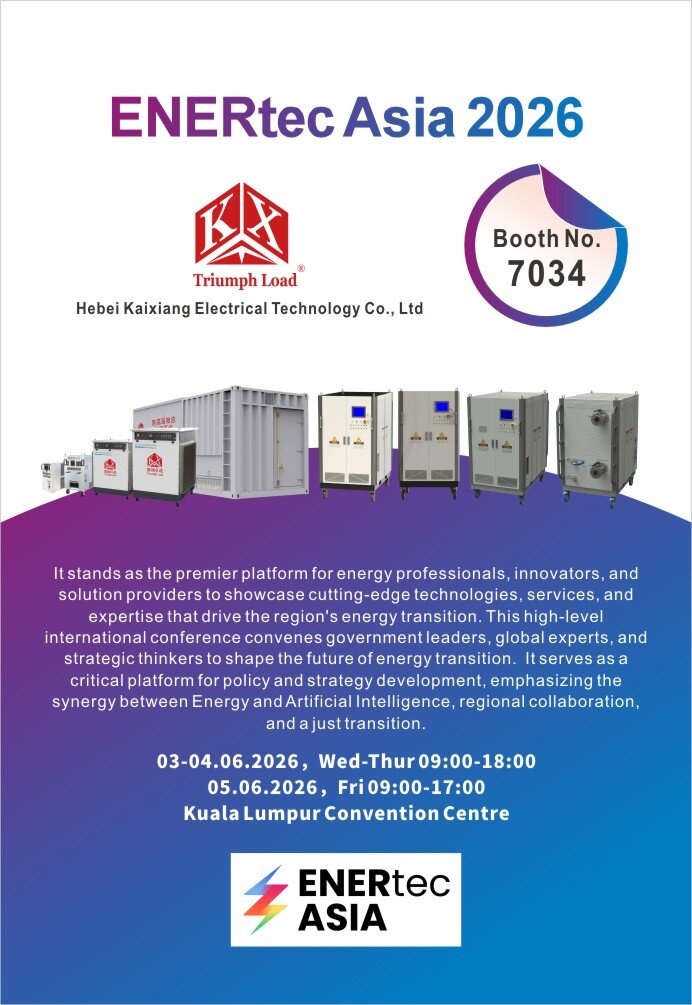
TRIUMPH LOAD EXHIBITING AT ENERTEC ASIA 2026
-
 2024-09-11
TRIUMPH LOAD EXHIBITING AT Enlit Europe 2024 -BOOTH 7.H08
-
 2023-04-21
TRIUMPH LOAD EXHIBITING AT DATA CENTER WORLD GERMANY 2023-BOOTH F909
-
 2023-04-06
TRIUMPH LOAD EXHIBITING AT ELECTRIC POWER TECH KOREA 2023 – Booth G109
