
The Role of AC Load Banks in Backup Power Detection
Time:2026-07-01
In the operation of power systems, backup power equipment such as diesel generator sets and UPS serves as the core guarantee for uninterrupted power supply in critical scenarios, including data centers, hospitals, and industrial plants. Operating in standby mode for most of the time, these devices rarely bear actual loads, which easily leads to hidden problems such as performance degradation and abnormal operating conditions. As professional testing equipment, AC load banks can simulate real electrical loads, acting as a core tool for performance detection, daily maintenance and fault troubleshooting of backup power supplies, and firmly ensuring the reliable operation of backup power systems.
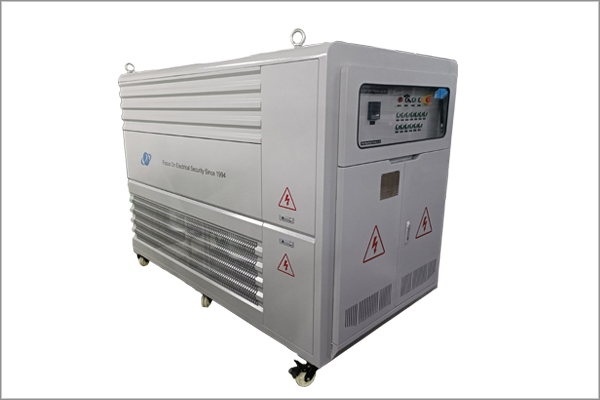
1000kW AC load bank
The core function of an AC load bank is to accurately simulate real load conditions and solve the limitations of no-load detection for backup power supplies. Conventional no-load start-up tests cannot verify the load-bearing capacity of power equipment. In contrast, AC load banks can flexibly adjust resistive, capacitive and other types of loads, covering a rated power test range from 0% to 110% and fully restoring real power consumption scenarios after mains power failure. Through steady-state load tests and sudden load switching tests, they can precisely detect the stability of output voltage, current and frequency of backup power supplies, verify the equipment’s transient response, harmonic suppression and parallel current sharing performance, and accurately identify potential hidden dangers such as voltage fluctuation, insufficient power and operating overheating.
Furthermore, AC load banks are essential tools for daily maintenance and acceptance inspection of backup power supplies. In factory acceptance, project completion inspection and regular maintenance of equipment, they comprehensively verify the rated power, load-bearing limit and integrity of protection mechanisms of backup power supplies, and generate standardized test data. Long-term standby operation may cause carbon deposition and increased internal resistance in backup power equipment. Regular load tests with AC load banks can effectively remove internal carbon deposition, optimize operating conditions, slow down equipment aging, and significantly extend the service life of backup power supplies.
In conclusion, AC load banks make up for the shortcomings of conventional backup power detection. They not only accurately verify equipment performance parameters and avoid power supply faults in advance, but also conduct regular equipment maintenance to ensure power supply stability under emergency conditions. Thus, AC load banks are indispensable core testing equipment for the safe, stable and long-term operation of backup power systems.
News Recommendation
-
 2026-08-21
TriumphLoad to Showcase Advanced Load Banks & Dummy Load Solutions at Middle East Energy 2026
-
 2026-05-28
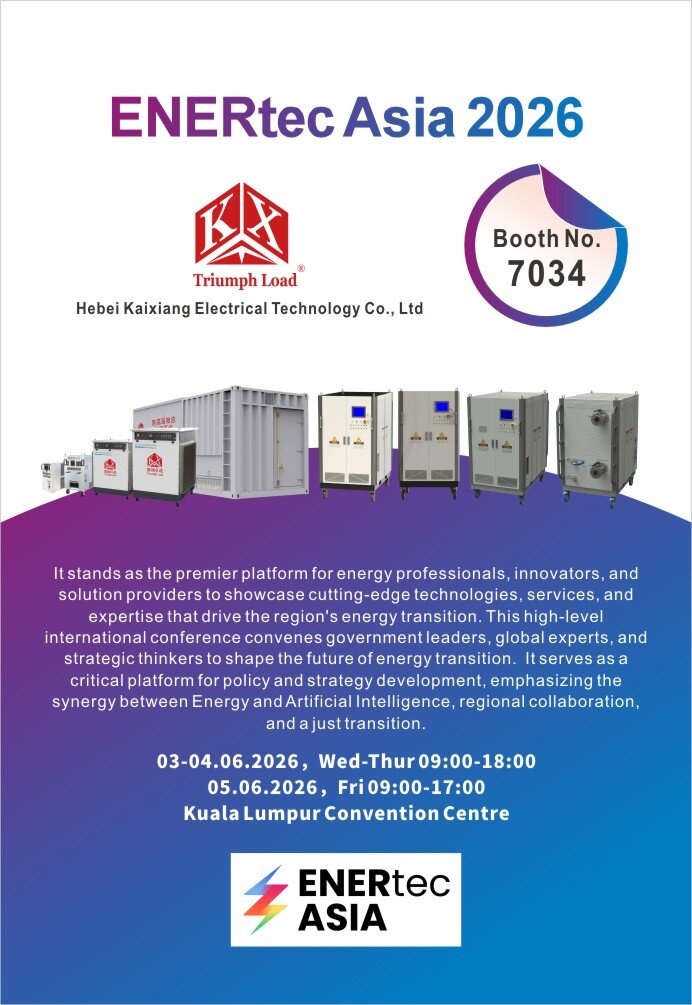
TRIUMPH LOAD EXHIBITING AT ENERTEC ASIA 2026
-
 2024-09-11
TRIUMPH LOAD EXHIBITING AT Enlit Europe 2024 -BOOTH 7.H08
-
 2023-04-21
TRIUMPH LOAD EXHIBITING AT DATA CENTER WORLD GERMANY 2023-BOOTH F909
-
 2023-04-06
TRIUMPH LOAD EXHIBITING AT ELECTRIC POWER TECH KOREA 2023 – Booth G109
