
What Are the Core Application Scenarios of AC Load Banks?
Time:2025-12-05
As a key device for simulating loads, AC load banks are widely used in various fields such as power systems and industrial production. Their core application scenarios focus on load testing, performance verification, and maintenance support, which can be specifically divided into the following categories.
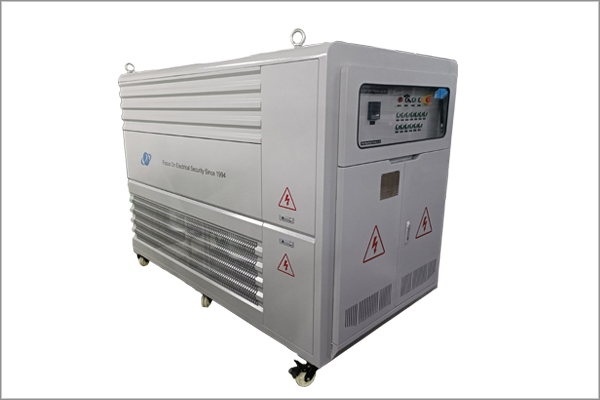
1000kW AC Load Bank
Firstly, it is the performance testing scenario of generator sets. Whether it is a diesel generator, gas generator, or new energy generator set, it is necessary to conduct load tests under different working conditions such as full load, overload, and underload through an AC load bank before leaving the factory or being put into use. This verifies the core indicators of the unit such as output power, voltage stability, and frequency accuracy, ensuring its reliable operation in scenarios such as emergency power supply and field operations.
1000kW AC Load Bank
Secondly, it is the UPS power supply testing scenario. As a backup power supply guarantee for key equipment, the endurance capacity and switching performance of UPS directly affect equipment safety. AC load banks can simulate different load types (resistive, inductive, capacitive) to conduct comprehensive testing on the output characteristics, charging and discharging efficiency, and fault switching response speed of UPS. They are widely used in places with extremely high requirements for power supply reliability such as data centers, hospitals, and financial institutions.
In addition, in the new energy field, AC load banks are core equipment for performance verification of photovoltaic inverters and wind power converters. By simulating grid loads, they can test the grid-connection performance, harmonic suppression capability, and anti-interference ability of the equipment, providing technical support for the stable grid connection of new energy power. At the same time, in power system maintenance, they can also be used for load testing of equipment such as cables and transformers to identify potential faults and ensure the safe operation of the power grid.
The common demand of these scenarios is to verify the performance stability and reliability of power equipment through accurate load simulation, which is an indispensable key link in the full-life cycle management of power equipment.
News Recommendation
-
 2026-08-21
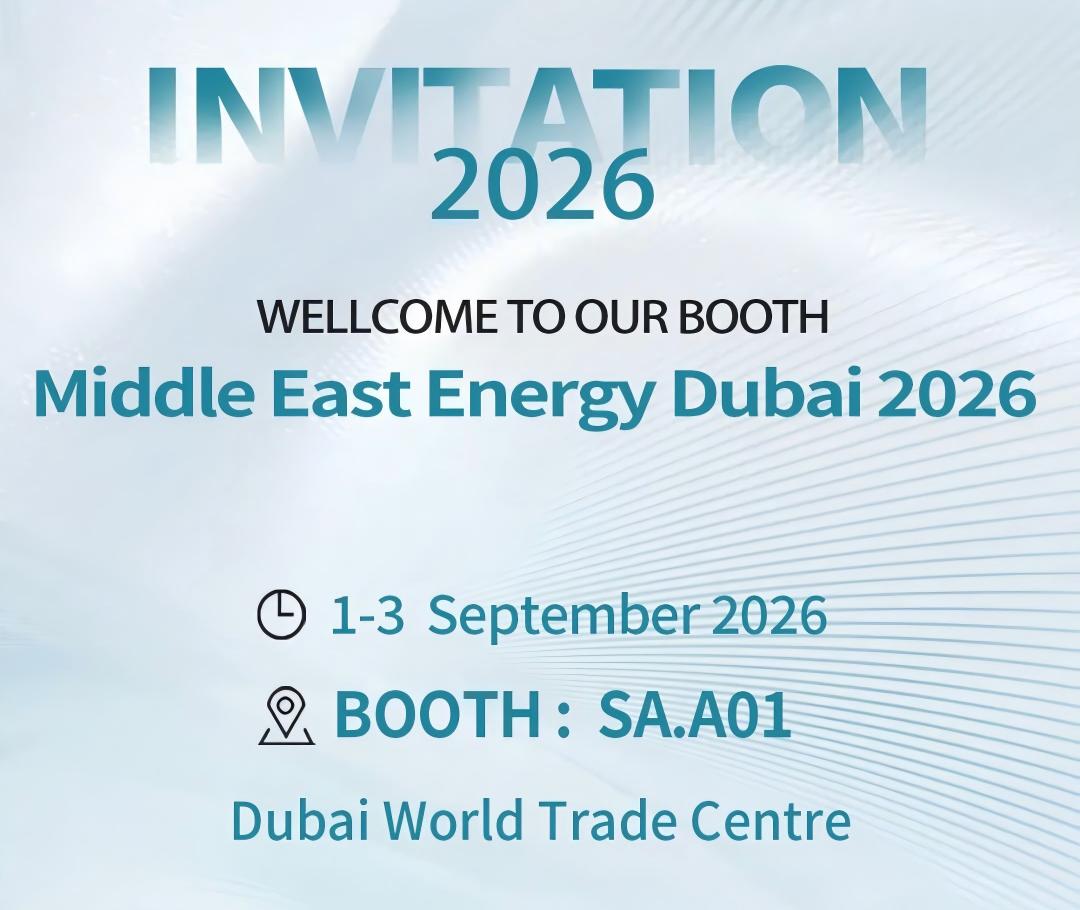
TriumphLoad to Showcase Advanced Load Banks & Dummy Load Solutions at Middle East Energy 2026
-
 2026-05-28
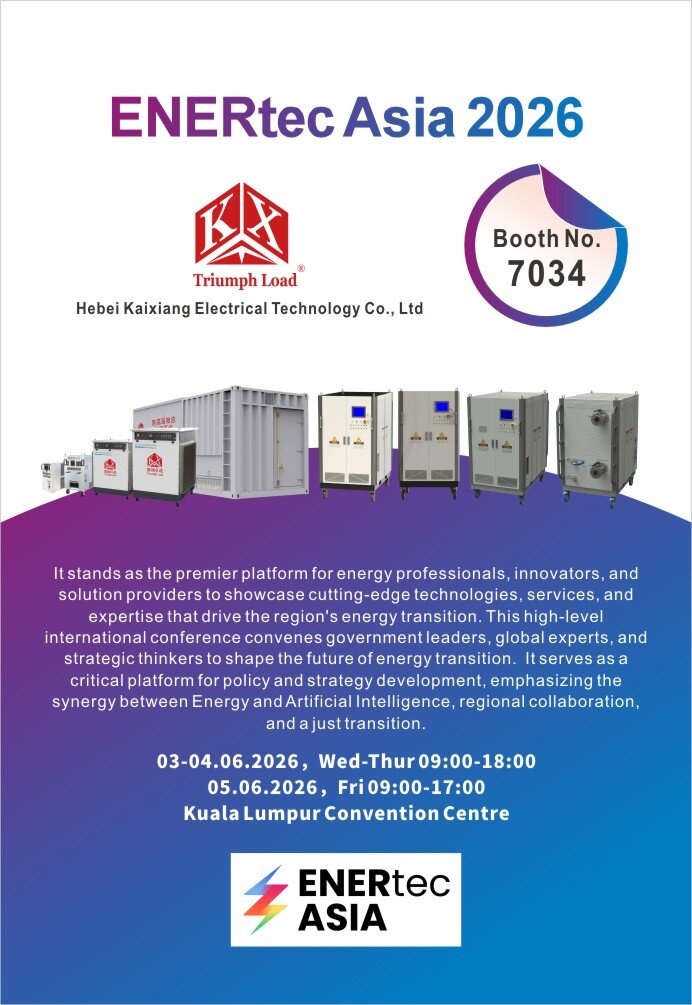
TRIUMPH LOAD EXHIBITING AT ENERTEC ASIA 2026
-
 2024-09-11
TRIUMPH LOAD EXHIBITING AT Enlit Europe 2024 -BOOTH 7.H08
-
 2023-04-21
TRIUMPH LOAD EXHIBITING AT DATA CENTER WORLD GERMANY 2023-BOOTH F909
-
 2023-04-06
TRIUMPH LOAD EXHIBITING AT ELECTRIC POWER TECH KOREA 2023 – Booth G109
